For adults
Strength training after 30: what changes
By Trevor Cyr, founder and head coach · November 18, 2026 · 3 min read
You're not too old, and you're not too late.
That's the first thing, because it's the question underneath most of the emails I get from adults.Somebody's 34, or 41, or 52, and they've never really lifted, and they want to know if it's still worth starting.It is.Here's what actually changes after 30, what the guidelines say to do about it, and what a first month looks like in my room.
What changes after 30
Muscle doesn't stay by itself.A review in Current Opinion in Clinical Nutrition and Metabolic Care puts the number plainly: muscle mass decreases approximately 3 to 8 percent per decade after the age of 30, and the rate of decline is even higher after 60.
That's the part nobody tells you at 30.The slow slide starts a lot earlier than you'd think, and it's why the stairs feel different at 45 than they did at 25.
The same review says the fix is the obvious one.Progressive resistance exercise has been shown to build muscle and increase strength, and both resistance and aerobic exercise counteract the loss.You don't have to accept the slide.You have to lift something, regularly, and add a little weight over time.
What the guidelines actually ask for
Less than you'd think.
Canada's 24-Hour Movement Guidelines for adults 18 to 64 ask for at least 150 minutes a week of moderate to vigorous activity, plus muscle strengthening activities at least twice a week.Twice a week is the floor, and it's the line I'd draw for anyone starting out.
The guidelines also say something I wish more people heard: progressing towards any of these targets will result in some health benefits.Once a week is better than none.Twice is where it starts to compound.
Why twice a week is worth it
In 2022 the British Journal of Sports Medicine published a pooled analysis of 16 studies, with participants ranging from about 4,000 to nearly 480,000 people.Thirty to sixty minutes of muscle strengthening activity a week was linked to a 10 to 20 percent lower risk of death from all causes, and from cardiovascular disease, diabetes and cancer.
Two honest caveats, because I'd rather you trust the number.These were observational studies, not clinical trials, so they show a link, not proof of cause.And there was no conclusive evidence that more than an hour a week reduced the risk further.
Read that last line again.Two coached sessions a week is inside the range where the benefit showed up.You don't need to live in a gym.
What a first month looks like at TCT
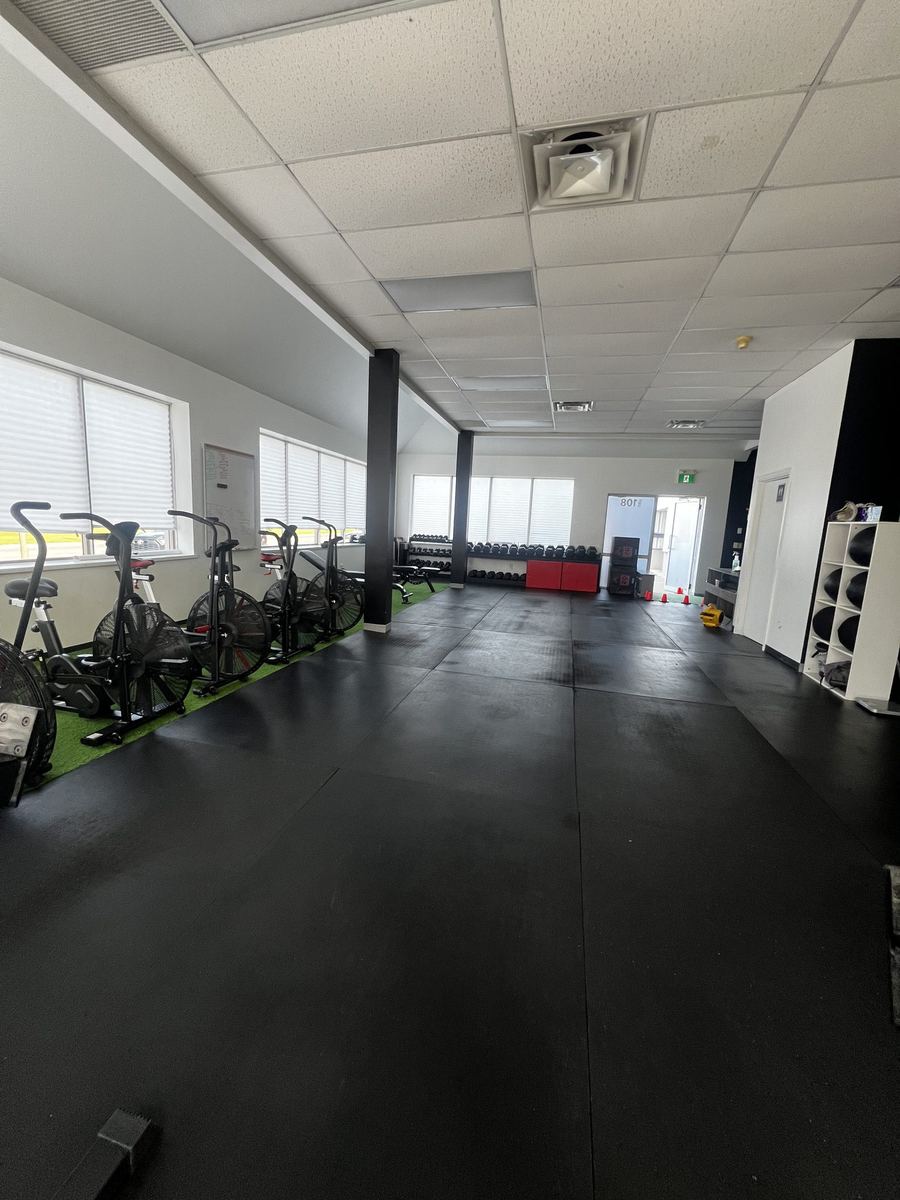
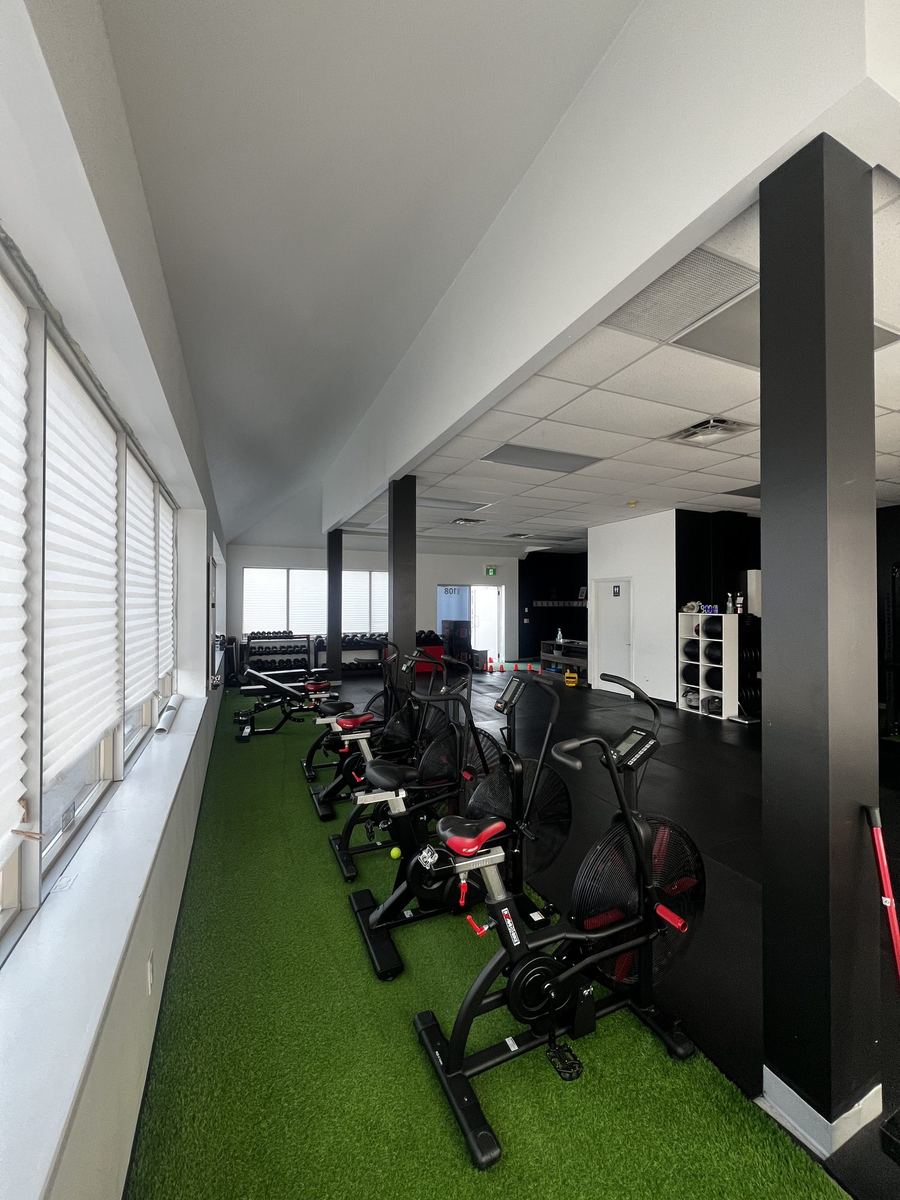
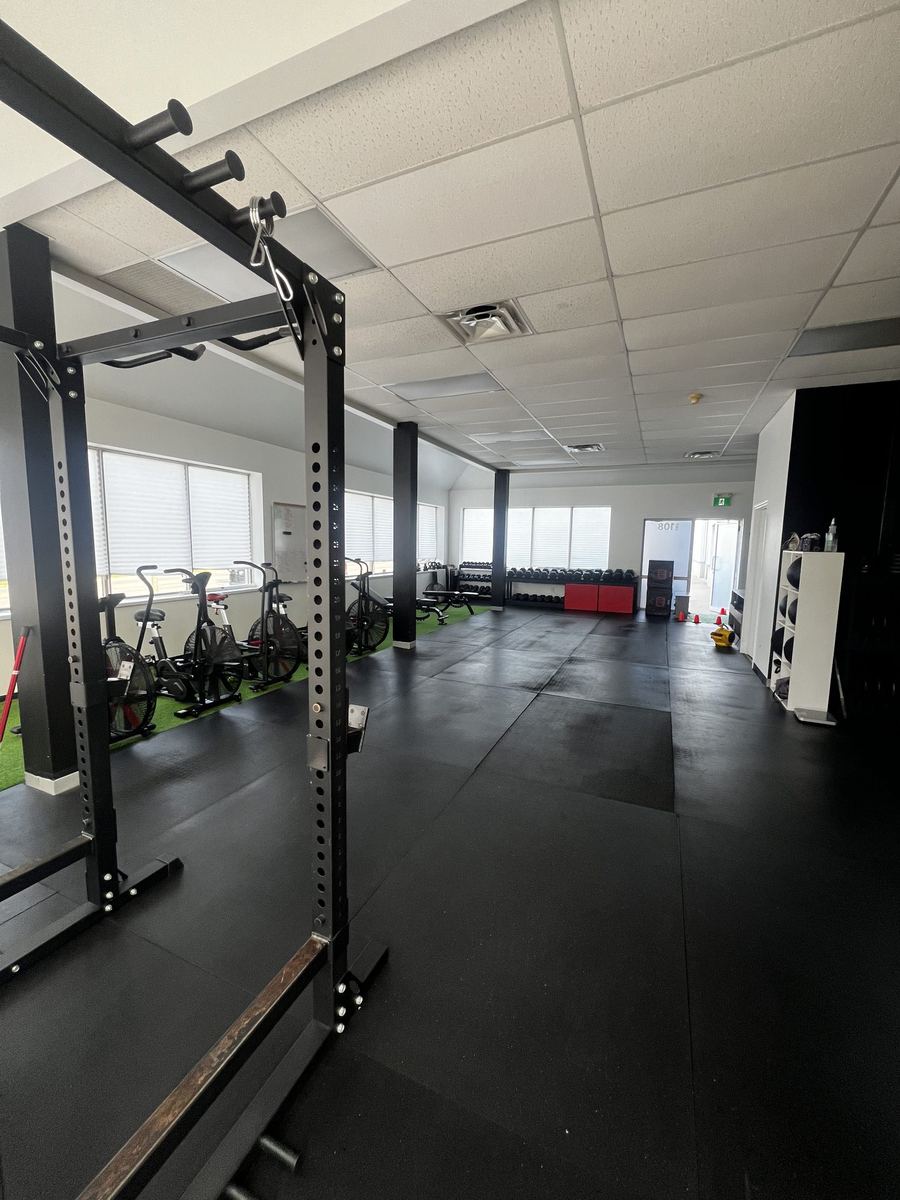
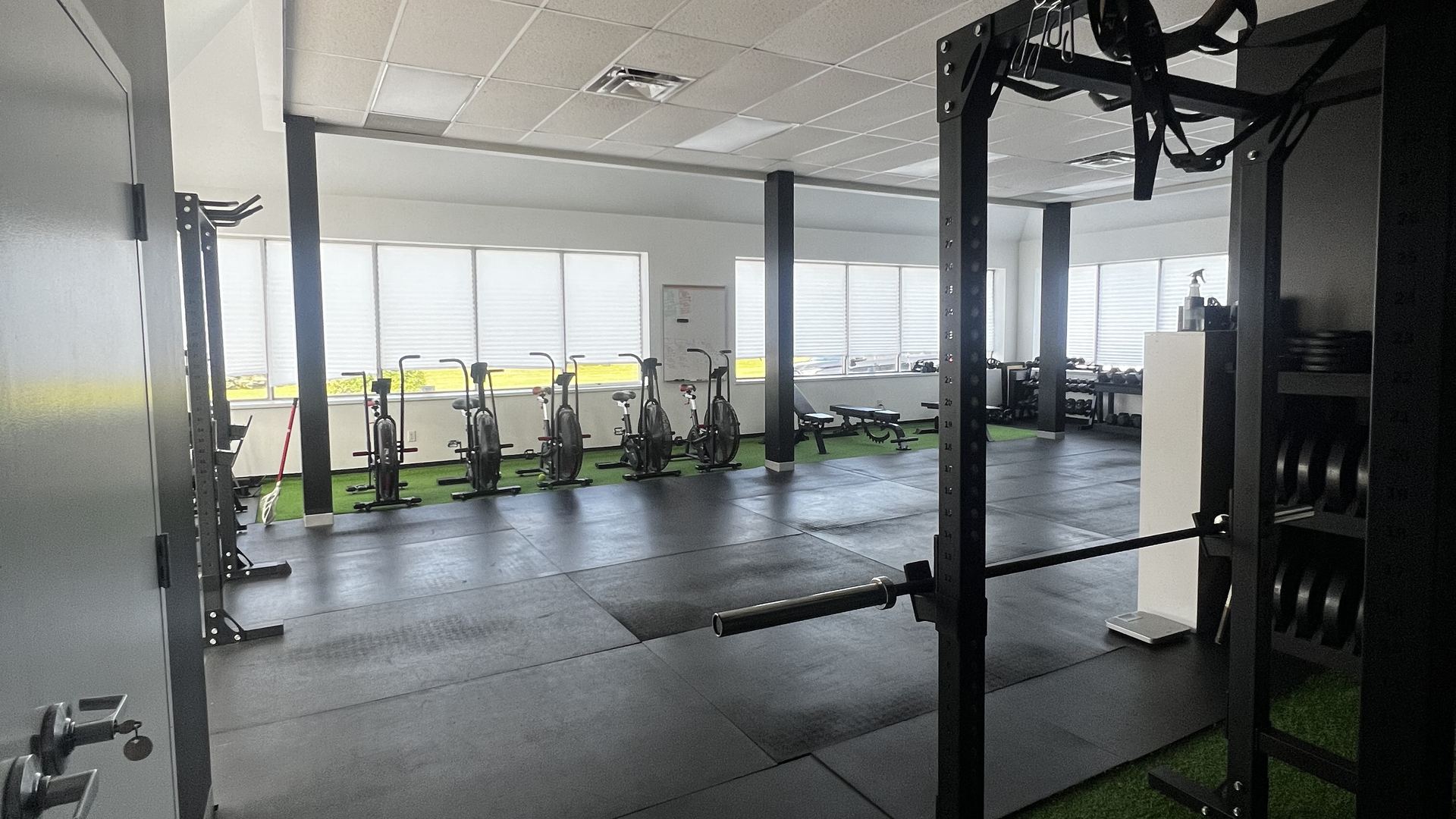
Ten people, one coach, fifty minutes.That's every adult class.
Your first two weeks are technique.Squat, hinge, press, pull, carry, with a weight I pick, not one you guess at.Most adults who come in have never been shown how to hinge or how to brace, and that's the whole job of week one.
From there the weight goes up a little at a time, and I decide when.Nobody maxes out.The classes are programmed in advance, so you're not improvising a workout after a long day, and I'm on the floor for every rep.
If you're a woman over 50 and would rather train with people your own age, the 7:00 AM Women's 50+ group on Mondays and Wednesdays is built for exactly that.I wrote about strength training for women over 50 separately.
The honest bit
If you've got a back, knee or shoulder history, tell me at the first class and I'll scale what you do.I'm a coach, not a physio.If something needs a physio, I'll say so and point you to one.
Come see it
The first class is free.Open classes run Tuesday to Thursday at 6:00 and Sundays at 9:00 and 11:00.Women's Only runs Mondays at 6:00 and 7:00.After that it's from $99 every 4 weeks for once a week, $160 for twice, no contract.
Any questions before you come in, email me at trevor@takecontroltraining.com and I'll answer them myself.
Sources
- Volpi E, Nazemi R, Fujita S. Muscle tissue changes with aging. Current Opinion in Clinical Nutrition and Metabolic Care. 2004;7(4):405-410. doi.org/10.1097/01.mco.0000134362.76653.b2
- Canadian Society for Exercise Physiology. Canadian 24-Hour Movement Guidelines for Adults aged 18-64 years. csepguidelines.ca/guidelines/adults-18-64/
- Momma H, et al. Muscle-strengthening activities are associated with lower risk and mortality in major non-communicable diseases: a systematic review and meta-analysis of cohort studies. British Journal of Sports Medicine. 2022. doi.org/10.1136/bjsports-2021-105061
Source 1 was opened on PubMed Central and the quoted sentences checked on 28 September 2026. Source 2 was read on the CSEP guidelines site the same day. Source 3's figures and caveats were checked against the BMJ Group's release for the paper; the paper itself is open access at the DOI.