For parents
Off-season training for high school athletes
By Trevor Cyr, founder and head coach · November 2, 2026 · 3 min read

Start when the season ends, and spend it getting stronger.Not more of the sport, and not a camp that copies it.General strength, two or three days a week, coached.
That's what I tell parents when a season wraps up and they ask what their kid should do now.Here's why, and what it looks like in my room.
Why strength, and not more practice
In 2014 the British Journal of Sports Medicine published a review of 25 randomised trials on preventing sports injuries.Together they covered 26,610 athletes and 3,464 injuries, and many of the trials were in teenagers.The researchers compared the things teams do to prevent injuries: stretching, balance work, mixed programs and strength training.
Strength training cut injuries to less than a third of what the comparison groups had.Stretching on its own made no difference.
One honest note.Only four of those trials were strength programs, so it's a smaller pile of evidence than the headline makes it sound.But it was the biggest effect in the review.And the 2014 international consensus on youth strength training says the same thing: strength training likely reduces the risk of sports injuries in young athletes.
Why the off-season
During the season the calendar is full.Games, practices, tournaments, school.That's a hard time to start learning a squat and a deadlift properly.
The off-season is when there's room.Fresh legs, open nights, and enough weeks to teach the lifts before the weight goes up.
The consensus was written by twenty authors across paediatric medicine, exercise science and strength coaching.It says strength training should be a year-round commitment.It also says in-season training is needed to keep the gains.So the off-season is where your athlete builds it, and the season is where they hold onto it.
What it isn't
It isn't sport-specific.I don't program by sport, and there are no special lifts for one game or another.Every teen learns to squat, hinge, press and pull well, then gets stronger at it.
It isn't a bootcamp either.Nobody maxes out and nobody tests a one rep max.The first weeks are technique with light weights, and the weight goes up a little at a time.
And it isn't practice.Your athlete's coach owns the sport.I own the strength underneath it.
What it looks like at the Academy
The consensus says two or three sessions a week, on non-consecutive days, is the right amount for building strength in teens.That's where most of my athletes land: Monday and Wednesday, or Tuesday and Thursday.How often a teenager should lift has its own post if you want the detail.
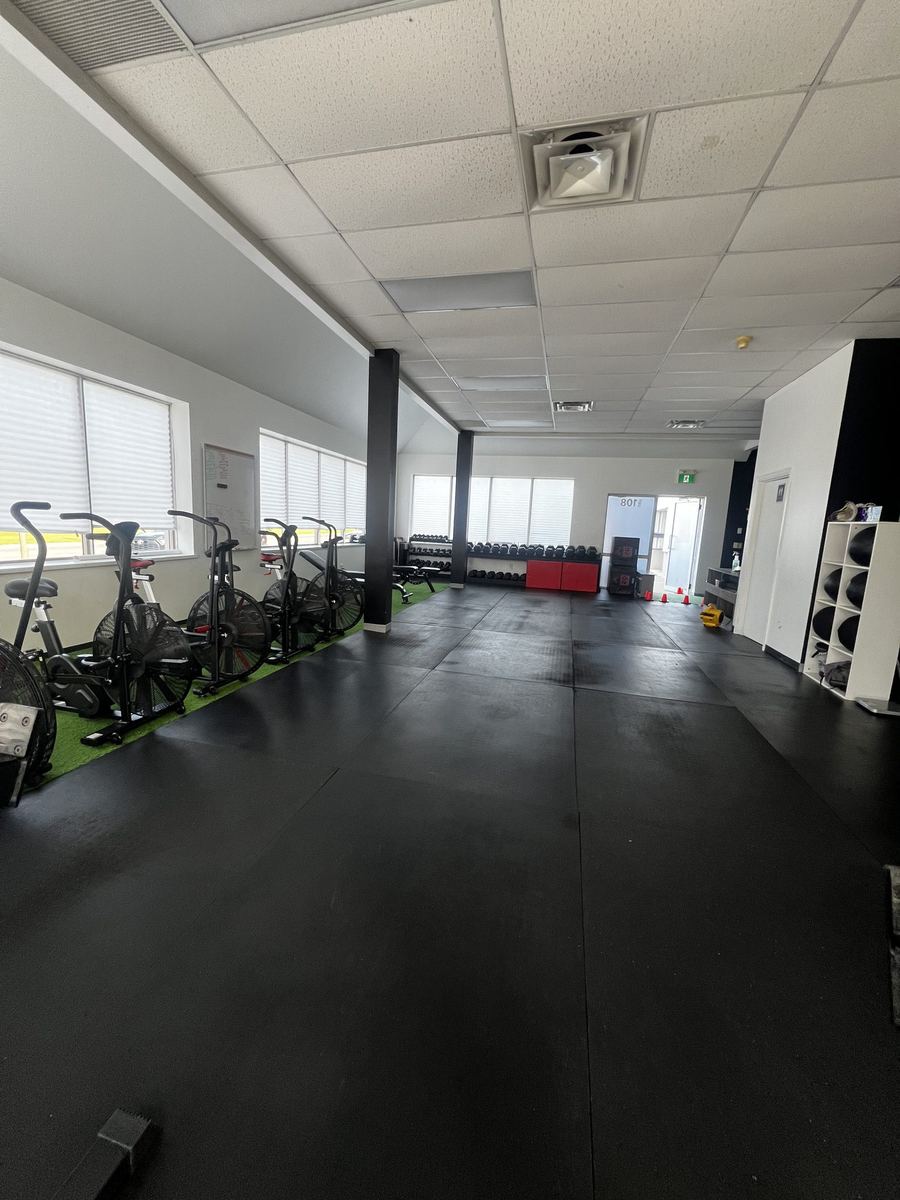
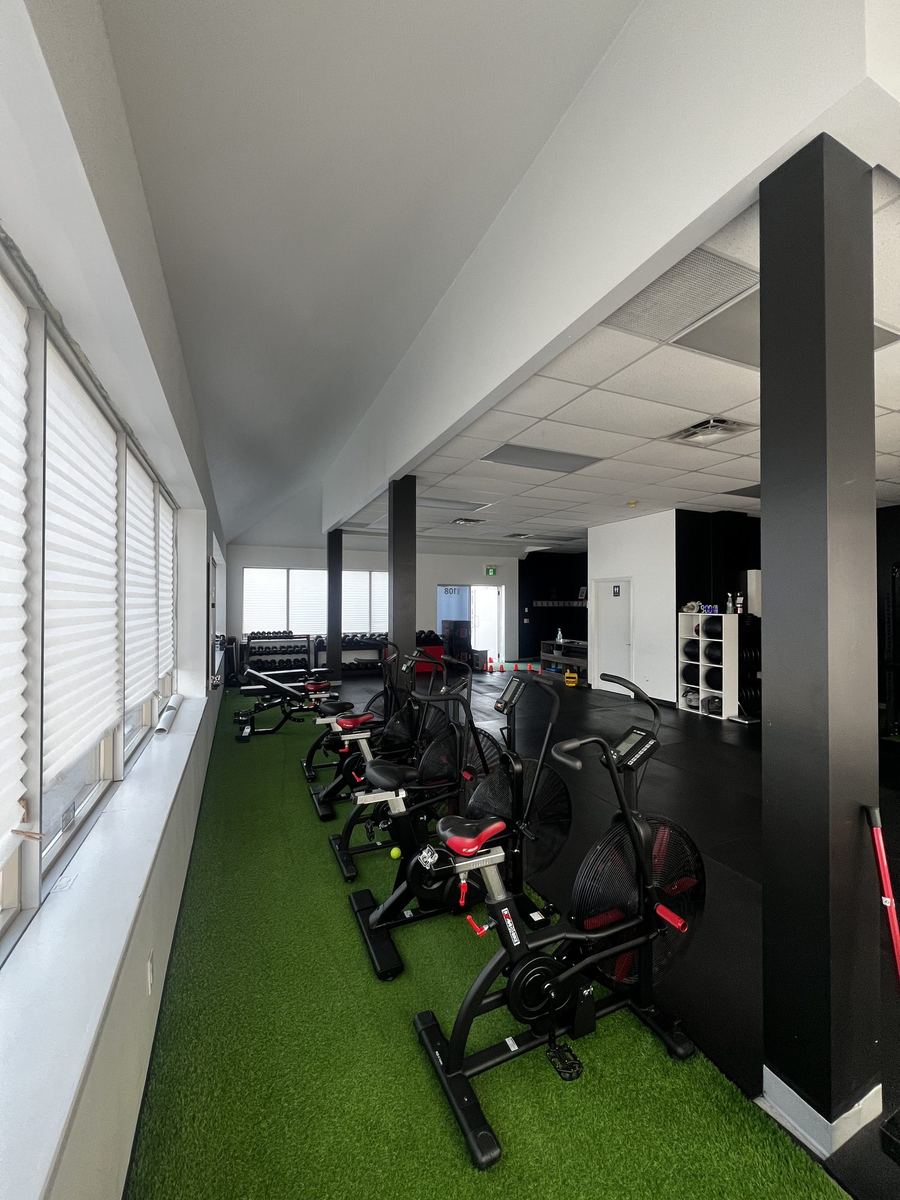
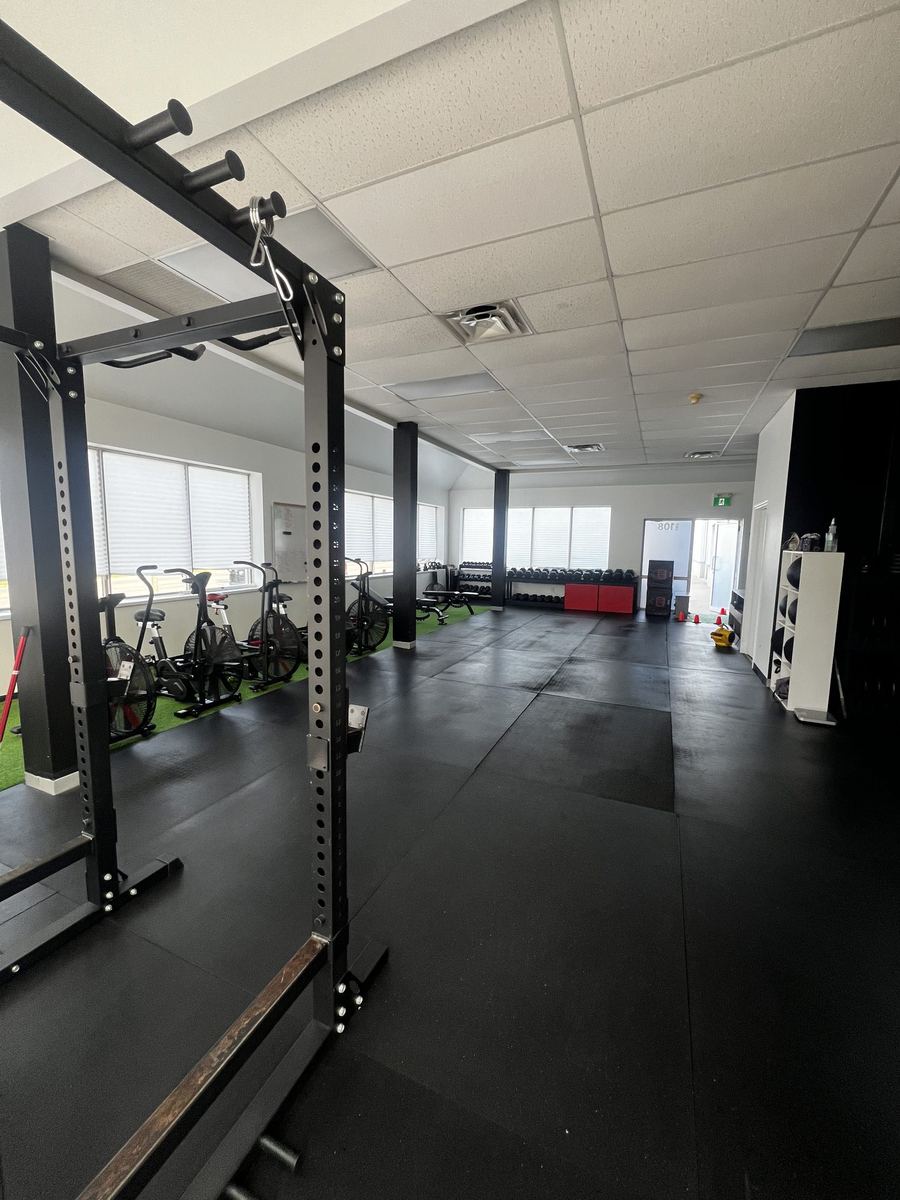
Every class is fifty minutes.Mobility and movement work first, then the strength block, then speed or conditioning: acceleration and change of direction on the turf, jumps, the sled or the bike.Ten teens at most, and I coach every session myself.Part of the room plays a sport and part doesn't, and everyone does the same program, scaled to where they are.
If your athlete is coming back from an injury, check with their doctor or physio before they start, then tell me about it at the first class.And if you're still on the is it safe question, start there.
Come see it
The first Academy class is free.Monday to Thursday at 4:00 or 5:00, ages 12 to 18, ten a class.Drop them off and pick them up fifty minutes later.
Any questions about your athlete specifically, email me at trevor@takecontroltraining.com and I'll answer them myself.
Sources
- Lauersen JB, Bertelsen DM, Andersen LB. The effectiveness of exercise interventions to prevent sports injuries: a systematic review and meta-analysis of randomised controlled trials. British Journal of Sports Medicine. 2014;48(11):871-877. doi.org/10.1136/bjsports-2013-092538
- Lloyd RS, Faigenbaum AD, Stone MH, et al. Position statement on youth resistance training: the 2014 International Consensus. British Journal of Sports Medicine. 2014;48(7):498-505. doi.org/10.1136/bjsports-2013-092952
Source 1's full text was opened on 2 November 2026 and every figure checked against it (25 trials, 26,610 participants, 3,464 injuries, strength training RR 0.315, stretching RR 0.963, four strength trials); its citation was confirmed on Crossref. Source 2's full text was opened the same day and the injury, year-round, in-season and 2 to 3 sessions sentences checked against it.