For parents
Will lifting stunt my kid's growth?
By Trevor Cyr, founder and head coach · October 26, 2026 · 3 min read

No.Kids who strength train grow just as tall as kids who don't.That's what the research has found every time someone measured it.
It's still the question I get most from parents, usually right after "is it safe?"I answered that one first.This post is the growth question on its own, with the numbers.
Where the worry comes from
It isn't a crazy worry.Kids and teens have growth plates: cartilage near the ends of the long bones, where the bone does its growing.A bad enough injury to one has the potential to change how that bone grows.And there are real case reports of teenagers hurting a growth plate while lifting.
Put those two things together and you get "lifting stunts growth."The question is whether training actually does it.
What the studies measured
In 2006, growth and development researcher Robert Malina reviewed 22 strength training studies in kids roughly 6 to 14 years old.Most ran two or three days a week, for 8 to 12 weeks, with free weights and machines.
The kids got stronger.And their gains in height matched the kids in the control groups who didn't train.His conclusion was plain: resistance training programs do not influence growth in height and weight of pre- and early-adolescent youth.
One study went further and scanned the bones and growth plates of 17 boys aged 6 to 11 after a 14-week program.No evidence of damage.
The two big position statements land in the same place.The NSCA says injury to the growth cartilage has not been reported in any prospective youth resistance training study.The American Academy of Pediatrics says well-designed programs have no apparent negative effect on linear growth or on the growth plates.
So where do growth plate injuries come from?
Malina looked at that too.Growth plate injuries from lifting do show up in the medical literature.They're rare, and they're generally tied to improper technique and unsupervised lifting.None have turned up in a prospective study, where kids were followed while they trained with a coach.
Ten of the studies in his review tracked every injury.Across all ten, there were three.Two shoulder strains, and thigh pain from a bar that fell after a lift.No growth plates.Every one of those programs was supervised, with a small number of kids per coach.
That's the pattern in all of this.The risk isn't the weight.It's a teenager alone, maxing out, with nobody fixing his form.

How we coach it
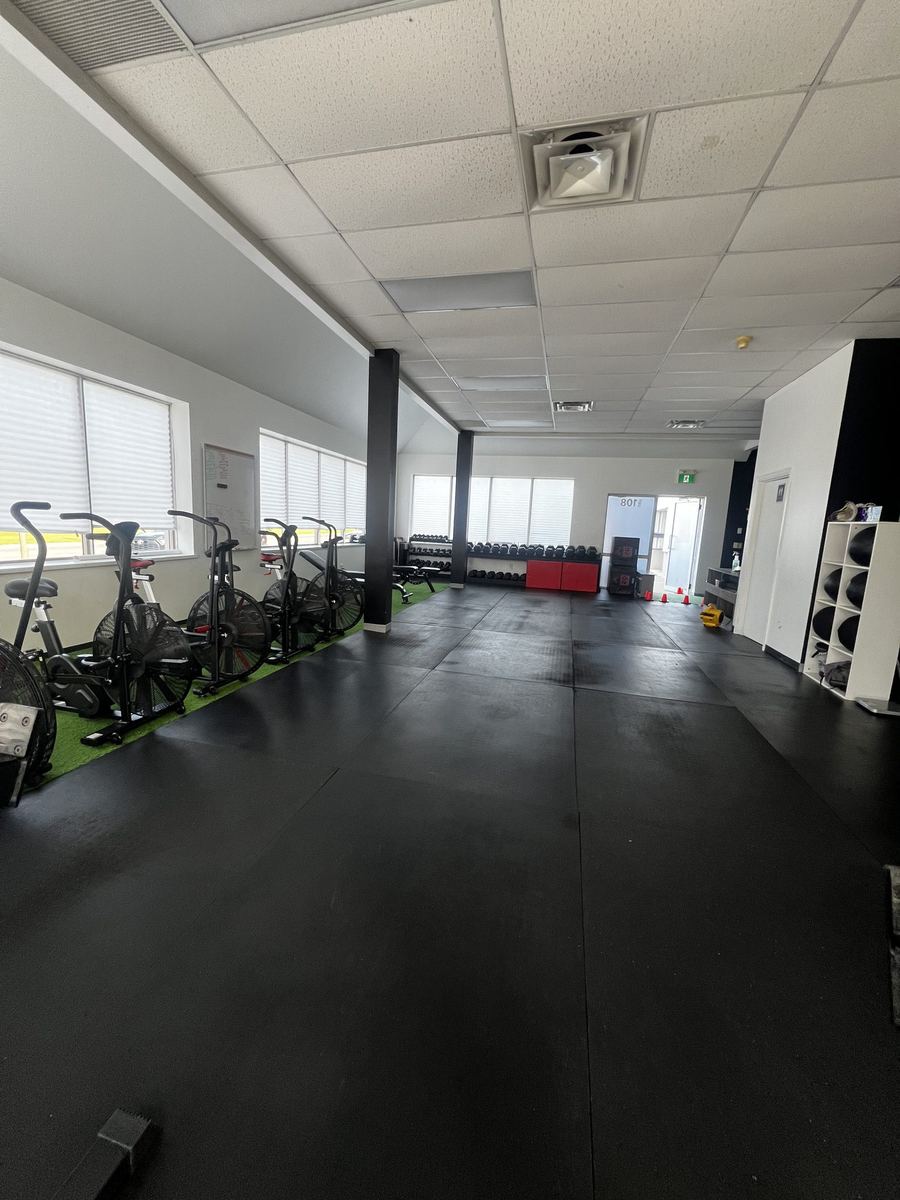
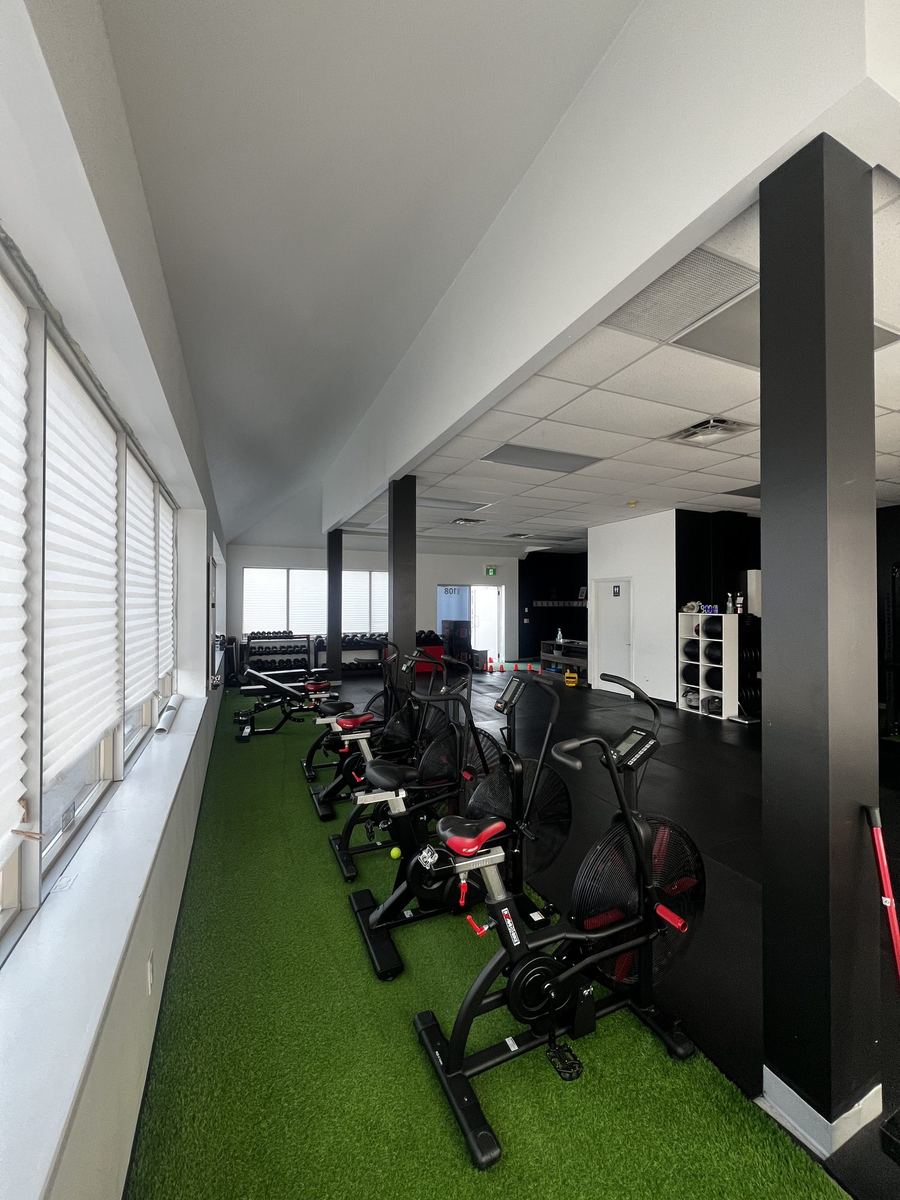
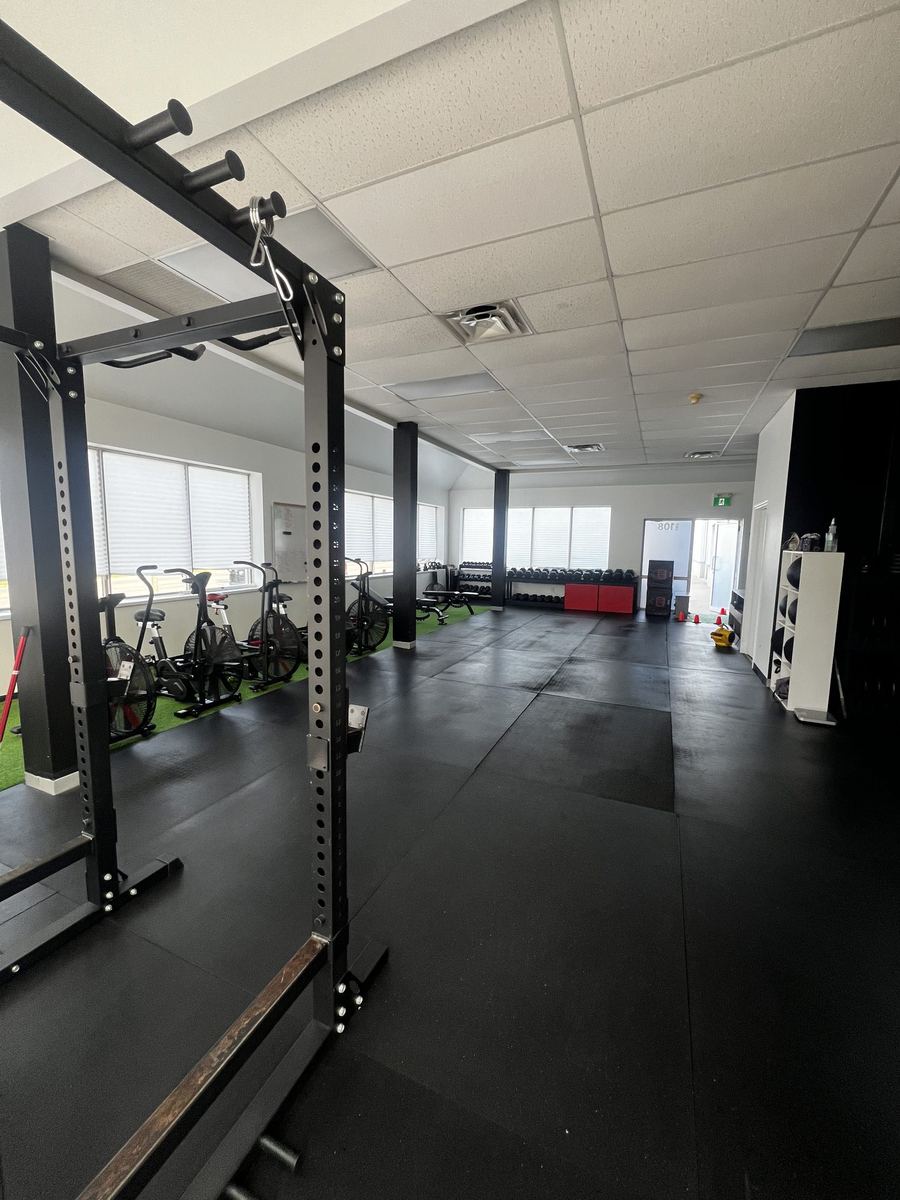
Ten kids a class, and I coach every rep myself.Every lift is taught with no weight or a light one first.The weight goes up a little at a time, when the technique is there.Nobody maxes out, and nobody tests a one rep max.It's two or three days a week, which is what the guidelines recommend for teens.
If your kid has had a growth plate injury before, check with their doctor before they start.Then tell me about it at their first class, and I'll work around it.
Come see it
The first Academy class is free.Monday to Thursday at 4:00 or 5:00, ages 12 to 18, ten kids a class.
Any questions about your kid specifically, email me at trevor@takecontroltraining.com and I'll answer them myself.
Sources
- Malina RM. Weight Training in Youth-Growth, Maturation, and Safety: An Evidence-Based Review. Clinical Journal of Sport Medicine. 2006;16(6):478-487. doi.org/10.1097/01.jsm.0000248843.31874.be
- Faigenbaum AD, Kraemer WJ, Blimkie CJR, et al. Youth Resistance Training: Updated Position Statement Paper From the National Strength and Conditioning Association. Journal of Strength and Conditioning Research. 2009;23(Suppl 5):S60-S79. doi.org/10.1519/JSC.0b013e31819df407
- Stricker PR, Faigenbaum AD, McCambridge TM; AAP Council on Sports Medicine and Fitness. Resistance Training for Children and Adolescents. Pediatrics. 2020;145(6):e20201011. doi.org/10.1542/peds.2020-1011
Source 1's full text was opened on 26 October 2026 and every figure in this post checked against it; its citation was confirmed on Crossref. The sentences from sources 2 and 3 are the ones checked against their full text for the first post on 28 September 2026.